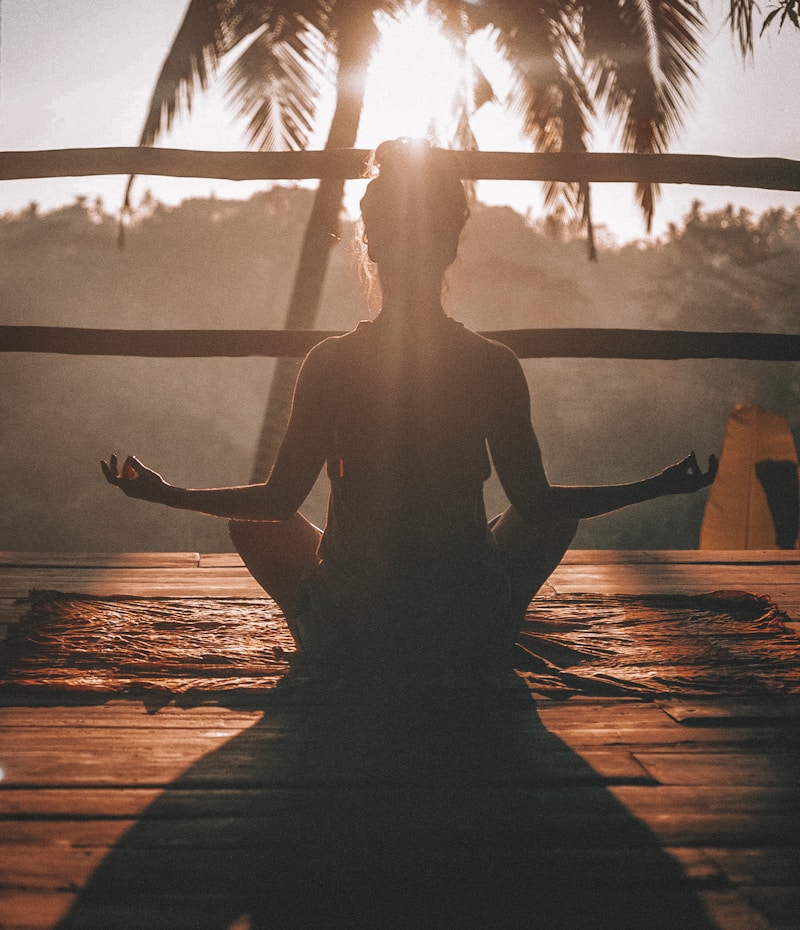
Ayurvedic Meditation & Mindfulness

Explore dhyana, pranayama, chakra balancing, and guided meditation practices from the Ayurvedic tradition for mental clarity, emotional balance, and inner peace.

Meditation and mindfulness practice

The Ayurvedic Approach to Meditation

In Ayurveda, meditation (dhyana) is considered one of the most powerful tools for balancing the mind and maintaining health. It is the seventh limb of the eightfold path of yoga (Ashtanga) and is essential for achieving sattva — the state of mental clarity and harmony.

Ayurveda recognizes that mental imbalances are at the root of many physical diseases. Stress, anxiety, and emotional turbulence disturb the doshas, weaken agni, and create ama (toxins). Meditation directly addresses these root causes by calming the mind and restoring balance.

Different meditation practices suit different dosha types. Vata types benefit from grounding, still meditations. Pitta types thrive with cooling, compassionate practices. Kapha types need stimulating, energizing meditation to overcome lethargy.

Meditation & Mindfulness Practices

Explore traditional techniques for cultivating inner peace and mental clarity

Dhyana (Meditation)

The practice of sustained, effortless awareness. Sit comfortably, close your eyes, and rest attention on your breath or a mantra. Start with 10 minutes daily and gradually increase to 30 minutes.

Pranayama (Breath Control)

Conscious breathing techniques that regulate prana (life force). Nadi Shodhana (alternate nostril breathing), Bhramari (humming bee breath), and Ujjayi (victorious breath) balance the nervous system.

Chakra Balancing

Seven energy centers (chakras) govern different aspects of physical and mental health. Meditation on each chakra with specific mantras and visualizations restores energy flow and balance.

Loving-Kindness (Metta)

Bhavana meditation cultivating compassion toward self and others. Repeating phrases of goodwill — "May I be happy, may I be healthy, may I be at peace" — opens the heart and heals emotional wounds.

Mantra Meditation

Sacred sounds like "Om" or "So Ham" repeated silently or aloud calm the mind and align with cosmic vibrations. Mantra practice is especially beneficial for Vata types who need grounding.

Mindful Walking

Walking meditation brings mindfulness into movement. Walk slowly, paying attention to each step and breath. Ideal for Kapha types who need activity combined with awareness.

Our Experience

Dedicated to teaching authentic meditation practices for holistic wellness

20+
Years Teaching
10,000+
Students Guided
7
Chakras Balanced
100%
Traditional Methods

Meditation Knowledge

Deepen your understanding of Ayurvedic meditation and mindfulness

Meditation for doshas

Meditation Practices for Each Dosha Type

Vata types have active, restless minds and benefit from grounding practices. Sit in a stable position, use a mantra like "Om," and visualize roots growing from your body into the earth. Keep sessions shorter but more frequent.

Pitta types have sharp, focused minds but can be self-critical. Loving-kindness (metta) meditation softens the heart. Focus on compassion and forgiveness. Kapha types tend toward dullness — use energizing practices like kapalabhati breath and walking meditation to stay alert and engaged.
Chakra meditation

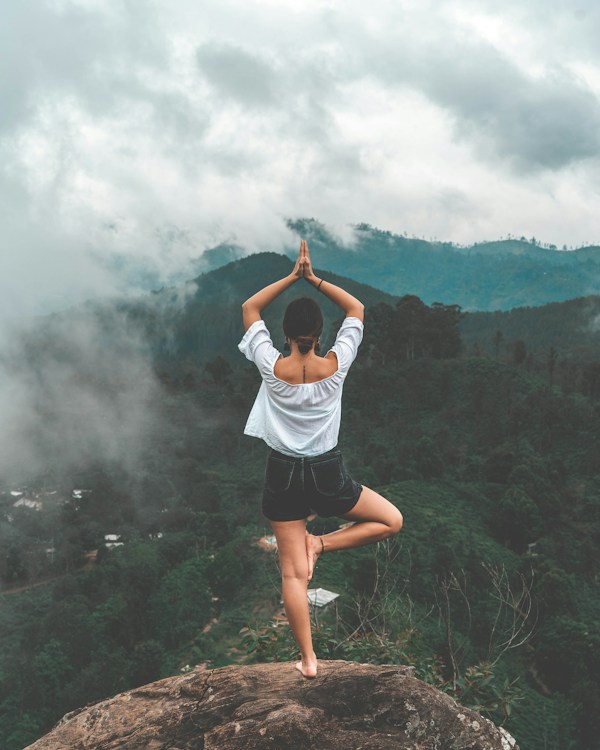
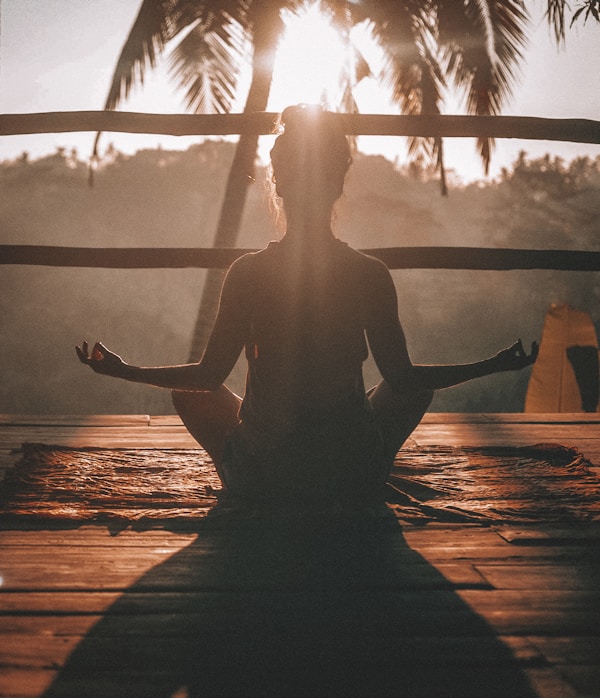
Understanding the Seven Chakras: A Complete Guide

The seven chakras are energy centers running along the spine: Muladhara (root), Svadhisthana (sacral), Manipura (solar plexus), Anahata (heart), Vishuddha (throat), Ajna (third eye), and Sahasrara (crown).

Each chakra corresponds to specific physical, emotional, and spiritual functions. Blockages manifest as physical symptoms or emotional patterns. Through meditation, visualization, and mantra, you can activate and balance each chakra for overall harmony and vitality.

Daily meditation routine

Building a Daily Meditation Practice: A Beginner's Guide

Start small — 5 to 10 minutes each morning. Choose a quiet, clean space and sit comfortably with your spine straight. Begin with simple breath awareness: notice the natural rhythm of inhalation and exhalation without trying to change it.

When the mind wanders, gently bring it back. Consistency matters more than duration. Over weeks, gradually extend to 20-30 minutes. The best time is early morning (Brahma Muhurta, around 4:30-5:30 AM) when the mind is naturally calm and the environment is quiet.

Begin Your Meditation Journey

Connect with our experienced teachers for personalized meditation guidance

Contact Information

Our meditation teachers offer personalized guidance to help you establish a sustainable daily practice aligned with your dosha and lifestyle.

Location

123 Wellness Street
Health District, City 12345

Phone

+1 (555) 123-4567

Email

info@meditationwellness.com

Hours

Monday - Friday: 9:00 AM - 6:00 PM
Saturday: 10:00 AM - 4:00 PM