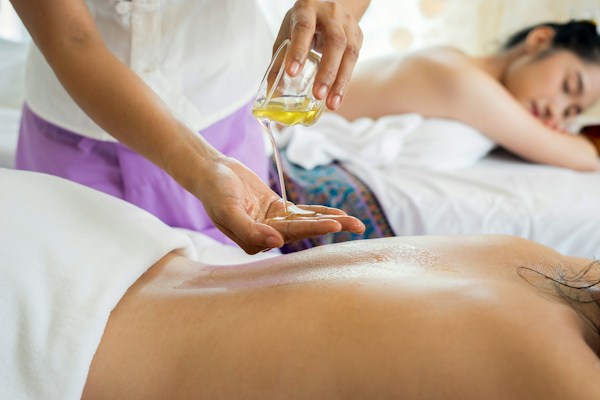
Panchakarma Detox Therapy

Experience the ultimate Ayurvedic detoxification — a comprehensive 5-step cleansing process that removes deep-seated toxins, restores balance, and rejuvenates body and mind.

Panchakarma therapy treatment

What Is Panchakarma?

Panchakarma, meaning "five actions" in Sanskrit, is the cornerstone of Ayurvedic detoxification. It is a comprehensive therapeutic protocol designed to eliminate accumulated toxins (ama) from the body and restore dosha balance.

The process begins with preparatory treatments called Purvakarma — oil therapy (Snehana) and sweat therapy (Swedana) — which loosen toxins and mobilize them toward the digestive tract for elimination.

The main five procedures then systematically remove these toxins through different channels. Panchakarma is not merely a physical cleanse but a profound rejuvenation that touches every level of the being.

The Five Actions of Panchakarma

Each step targets specific toxins and dosha imbalances for comprehensive cleansing

1

Vamana — Therapeutic Emesis

Upward Elimination

Vamana is a controlled therapeutic vomiting procedure primarily used to eliminate excess Kapha dosha from the upper body. It is particularly effective for respiratory conditions, asthma, and skin disorders.

  • Best for Kapha-related disorders
  • Clears respiratory congestion
  • Treats chronic asthma and bronchitis
  • Performed under strict medical supervision
2

Virechana — Purgation Therapy

Downward Elimination

Virechana is a therapeutic purgation that removes excess Pitta dosha from the body through the lower digestive tract. It cleanses the liver, gallbladder, and intestines of accumulated heat and toxins.

  • Best for Pitta-related disorders
  • Cleanses liver and gallbladder
  • Treats skin conditions and inflammation
  • Improves digestion and metabolism
3

Basti — Medicated Enema

Niruha & Anuvasana

Basti is considered the most important Panchakarma procedure. It involves administering medicated oils or herbal decoctions through the rectum to eliminate excess Vata dosha and nourish the colon.

  • Best for Vata-related disorders
  • Treats constipation and neurological issues
  • Strengthens colon and reproductive tissues
  • Can be oil-based (Anuvasana) or decoction-based (Niruha)
4

Nasya — Nasal Administration

Head & Sinus Cleansing

Nasya involves the administration of medicated oils or powders through the nasal passages. It is the primary treatment for disorders of the head, neck, and sinuses, clearing channels and improving mental clarity.

  • Treats chronic sinusitis and migraines
  • Improves memory and concentration
  • Clears respiratory passages
  • Beneficial for hair and skin health
5

Raktamokshana — Blood Letting

Blood Purification

Raktamokshana is the therapeutic removal of small amounts of blood to eliminate toxins from the bloodstream. It is used selectively for conditions involving blood impurities, skin disorders, and localized inflammation.

  • Treats chronic skin disorders
  • Purifies blood and reduces inflammation
  • Used for localized pain and swelling
  • Performed with sterile, modern techniques

Our Panchakarma Center

Dedicated facilities with experienced therapists for authentic Panchakarma treatment

25+
Years of Practice
8000+
Treatments Completed
5
Therapy Steps
15
Expert Therapists

Panchakarma Knowledge

Learn what to expect before, during, and after your Panchakarma journey

Panchakarma preparation

Preparing for Panchakarma: What You Need to Know

Proper preparation is essential for a successful Panchakarma. The preparatory phase (Purvakarma) includes internal and external oleation (Snehana) followed by sweat therapy (Swedana). During this period, you consume medicated ghee and receive oil massages to loosen toxins.

Diet should be light and warm during preparation. Avoid cold drinks, raw foods, and heavy meals. It is recommended to take time off work, as the body needs rest during the entire process. A typical Panchakarma program lasts 7 to 21 days depending on individual needs.

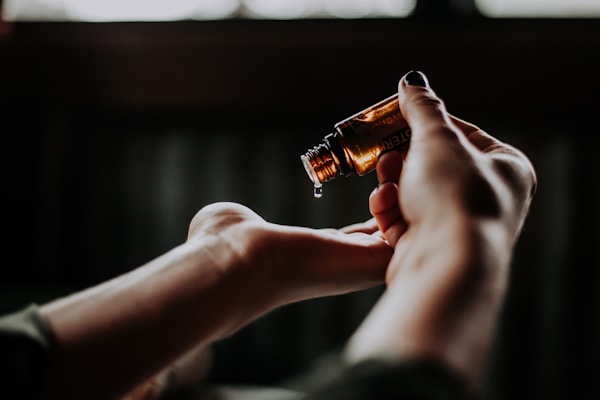
Post-treatment care

Post-Panchakarma: Rebuilding and Rejuvenation

The post-treatment phase (Paschatkarma) is just as important as the main procedures. After Panchakarma, your digestive system is delicate and needs gradual rebuilding through a structured diet called Samsarjana Krama.

This involves progressively moving from liquid to semi-solid to solid foods, starting with rice gruel (peya) and gradually adding more substance. This allows agni (digestive fire) to recover fully. Rasayana (rejuvenation) therapies are often prescribed afterward to rebuild tissues and strengthen immunity.

Panchakarma benefits

Health Benefits of Panchakarma Therapy

Panchakarma offers profound benefits beyond simple detoxification. It strengthens the immune system, improves digestion, enhances mental clarity, and restores natural energy levels. Many chronic conditions respond well to Panchakarma when conventional treatments have limited results.

Regular Panchakarma, ideally once a year, serves as preventive medicine. It removes accumulated toxins before they manifest as disease, keeping the doshas balanced and the body functioning optimally. The therapy also promotes emotional release and spiritual well-being.

Book Your Panchakarma

Schedule a consultation to begin your detoxification journey with our expert team

Contact Information

Our Panchakarma center offers authentic treatments in a serene, supportive environment. Contact us to learn more about our programs and availability.

Location

123 Wellness Street
Health District, City 12345

Phone

+1 (555) 123-4567

Email

info@panchakarma center.com

Hours

Monday - Friday: 9:00 AM - 6:00 PM
Saturday: 10:00 AM - 4:00 PM